
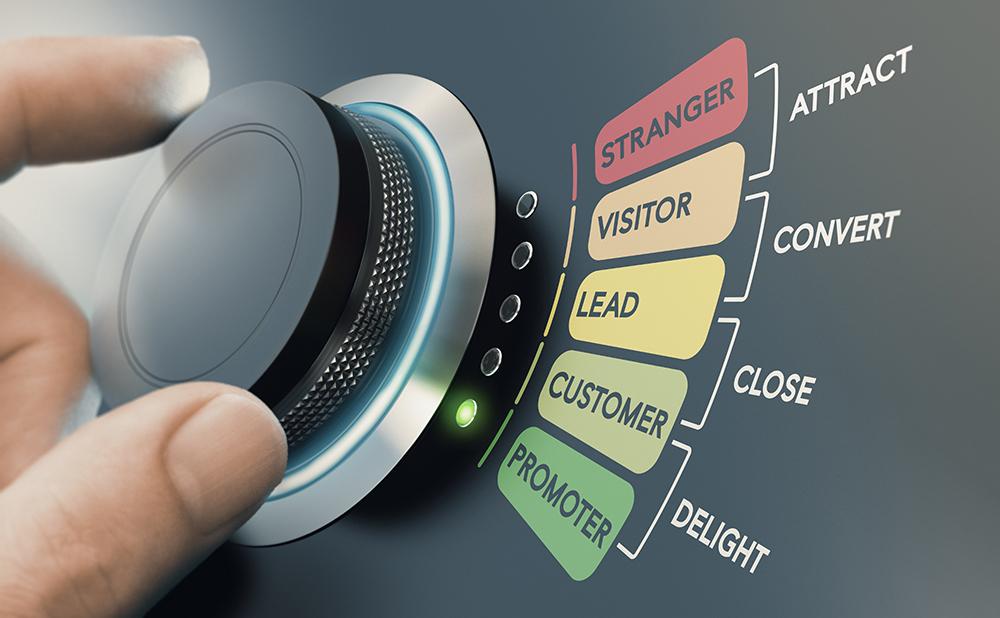
In 2022, Spotify's Wrapped campaign gained global attention and became the most widely shared campaign of its time. Within the first three days, it ignited over 40,000 tweets, creating a buzz among users and leading to a noticeable increase in both engagement and brand loyalty. Users eagerly shared their personalized listening summaries across social media, enhancing Spotify’s visibility and attracting new users. The campaign also served to reinforce the bond between Spotify and its existing user base.
This standout success demonstrates the effectiveness of inbound marketing, highlighting its capacity to drive engagement, elevate brand recognition, and foster enduring brand loyalty.
Inbound marketing is a departure from traditional (or outbound) marketing. Whereas traditional marketing is highly reliant on ads, inbound marketing prioritizes attracting and engaging audiences through valuable content and experiences, fostering relationships and driving customer satisfaction. Simply put, it aims to create an open, two-way conversation benefiting both the business and the consumer.
Given the rise of ad blockers and the younger generation's resistance to traditional advertising, which they consider disruptive and inauthentic, the inbound marketing approach has become more crucial than ever. It goes beyond mere transactions, offering consumers a connection to the brands they support, thereby deepening overall satisfaction.
The good news is smaller businesses on a budget can also leverage the power of inbound marketing, and it all starts with engaging and compelling content.
Brian Halligan, co-founder of the leading CRM platform HubSpot, emphasizes the impact of rich and informative content: “If you create all this content, and it’s rich content – it's informative, it [will] pull people in...so people fall in love with your brand.”
Inbound marketing employs various tools categorized in three stages:
|
ATTRACT TOOLS
|
ENGAGE TOOLS
|
DELIGHT TOOLS
|
Source: Hubspot
Efforts to attract consumers are closely tied to content creation shared either on a company’s site or via social media. They can include blogs, how-to guides, testimonials, and Q&As. Making content easily shareable expands its reach, and strategic SEO efforts ensure it reaches an audience actively seeking the information.
Another way to drive engagement is providing excellent customer service. A short-staffed small business can use chatbots to streamline customer service, but one-on-one inbound calls with a trusted team member truly promotes conversation and cultivates long-term relationships.
Ensuring satisfaction beyond the initial transaction leads to delight, as demonstrated by Spotify’s Wrapped campaign. Relevant and well-timed surveys and emails signal ongoing interest in customer satisfaction, establishing your team as available experts eager to help.
Apart from fostering deeper customer relationships, inbound marketing offers a cost-effective alternative to traditional marketing, averaging roughly one-third the expenditure of an outbound campaign. Inbound marketing produces evergreen content that continues to attract and serve future customers long after you publish it. Meanwhile, social media provides a platform for continued dialogue and soliciting feedback from satisfied customers.
In an inbound strategy centered on genuine relationships, the key is to assist and support users in every situation, irrespective of immediate business gains. Think about the long-term and your brand reputation. Remember, a satisfied customer becomes a devoted advocate, so approach all interactions with sincerity and attention. Inbound marketing can help build that solid foundation for your brand, creating momentum and driving growth.