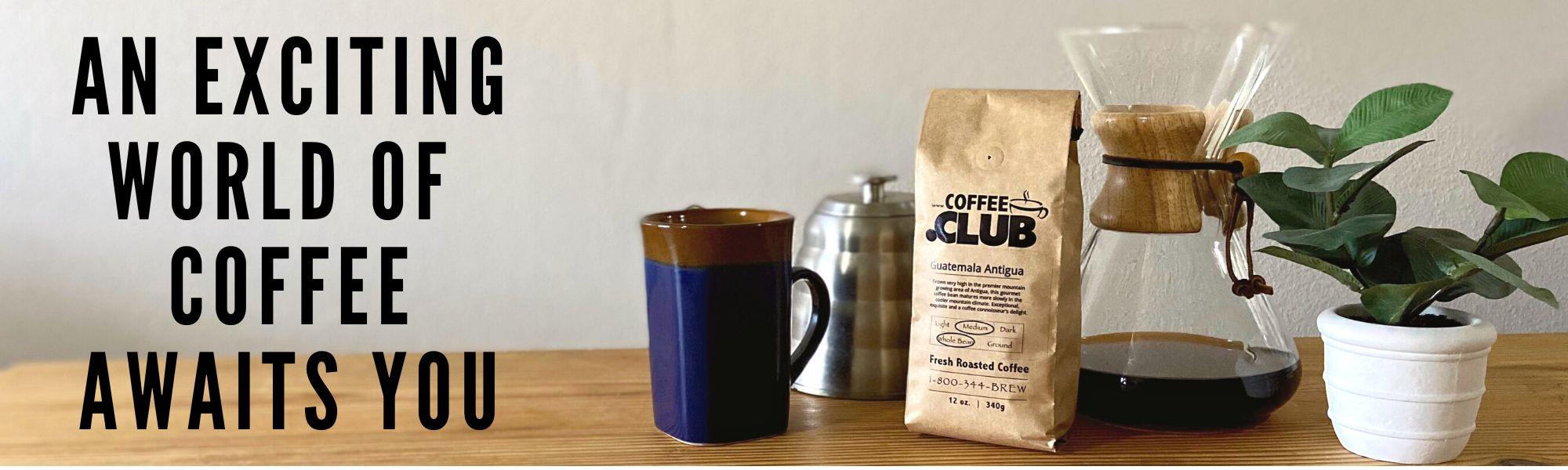
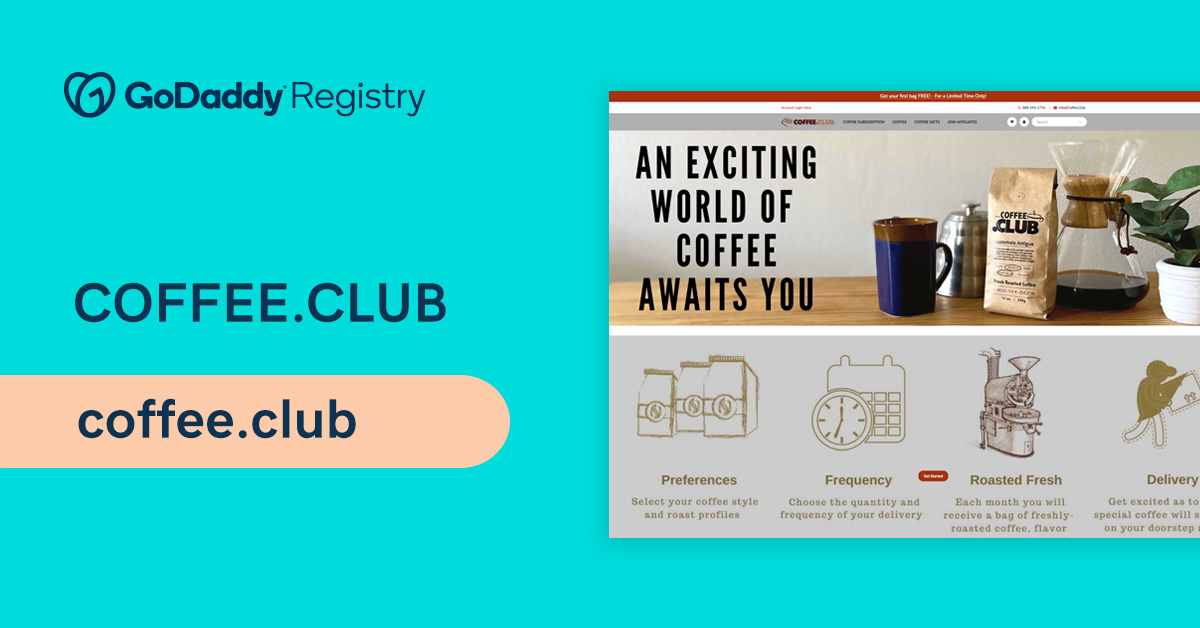
From flowers to insurance, from cosmetics to coffee, Bill McClure has a knack for launching e-commerce ventures in multiple industries. “We look for products that people use and buy multiple times,” says McClure, cofounder of Coffee.Club.
But of all his online ventures, the seasoned and serial entrepreneur admits there’s nothing quite like the coffee business. “It drags at your heartstrings to understand what it takes to get a cup of coffee to your table,” he says. “Coffee growers are among the poorest in the world, some receiving an annual income of $100 a year.”
McClure says running Coffee.Club allows him to support small-scale coffee growers from around the world, including Brazil, Colombia, Ethiopia, and Zambia. Global Citizen, for instance, reports that although the industry's worth $100 billion, 90% of coffee farmers in Ethiopia live on less than $2 a day.
McClure forayed into coffee in 2008, when he and his daughter, Ellie, launched coffee.org, which quickly grew into a leading online wholesale coffee roaster and distributor of teas, supplies, and gourmet coffee cakes. He quickly learned the ins and outs of running an e-commerce hub for coffee, from how to build partnerships with the right farmers, to how to rank in search results, and even the importance of cybersecurity. He says, “We grew $300,000 per month in sales in the first 90 days, then a hacker disrupted our business for a few months later … and that set us back. We were able to recover through the years.”
Such obstacles taught McClure the art of resilience as an entrepreneur—as well as how to strategically adapt and pivot with the fickle trends of the Internet. The latter would become a crucial trait, especially in 2018 when Colin Campbell and Jeff Sass, cofounders of the .club domain, approached McClure with a unique opportunity. “I thought I was a .com guy but then Jeff and Colin met me at one of the TLD conferences and pitched coffee.club. They would help me build it up and see if it can be a success case for future .club sites.” The trio teamed up to create a one-of-a-kind online consumer experience for coffee fans. They sought to build coffee.club as a vibrant community around fresh and ethically grown coffee beans. Coffee.Club imports beans from more than 13 countries around the world to its 6,000 square-foot warehouse and roasting center in Fort Smith, Arkansas, where the company is based. McClure says, “When we roast you see smoke and catch a strong aroma. Customers who drive in to pick up their coffee turn the street and smell the aroma and say ‘wow.’”
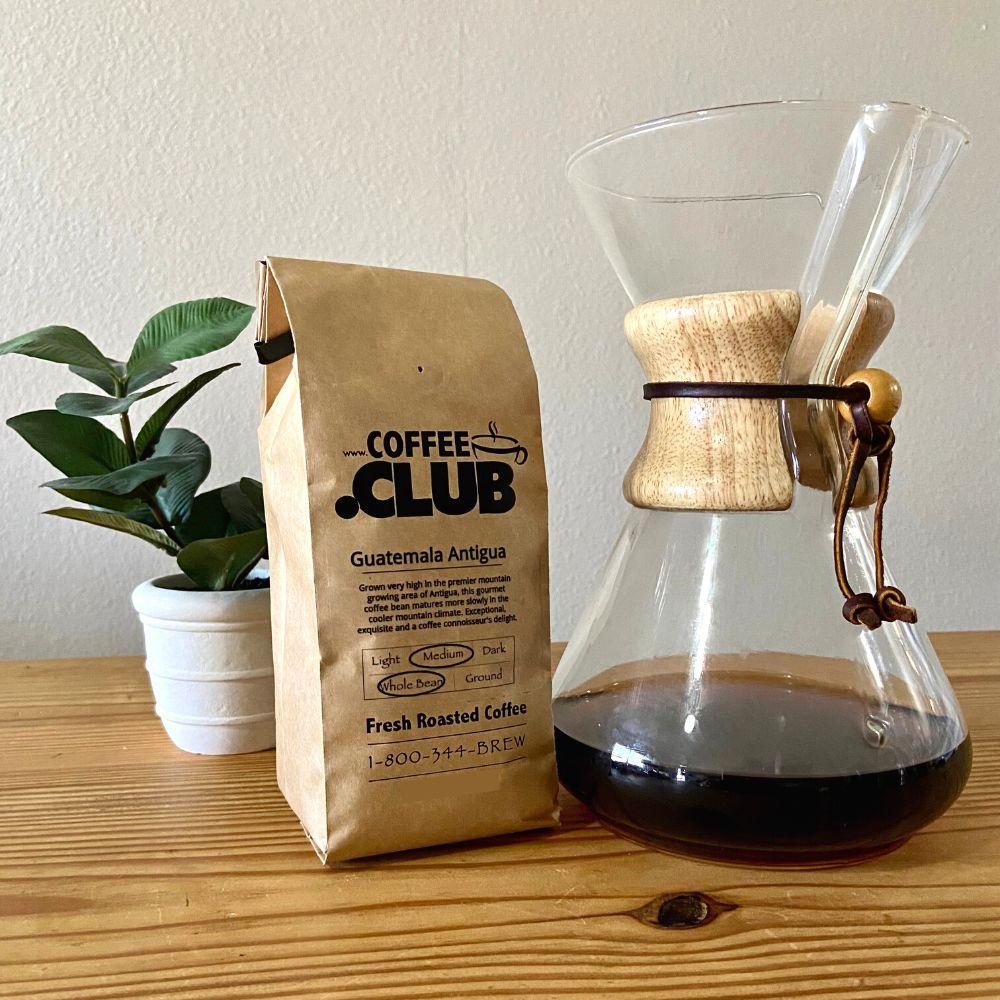
“The coffee you get from grocery stores has been in the pipeline for months,” says McClure. “But our coffees are roasted, and stored fresh for a few days so that it can be served as a dark French roast, strong and flavorful.” He adds that Coffee.Club ships newly harvested and freshly roasted beans to members twice a month. “We know how much we need to ship out and roast. Everything is done by hand. Nothing is automated, we do everything by hand to give it that artisan feel.”
They roast fresh coffee beans imported from 13 countries around the world. “We sell a lot of specialty coffees that not everyone has; it takes time to find those coffees.”
They’ve also incorporated a subscription model that offers exclusive beans and blends.
For example, last month they sampled a coffee from Malawi. “It’s a smooth taste with some caramel tones and a little bit on the chocolate side. Just a beautiful bean that is available only to our members. It’s not for sale to anyone who visits the website. We are also featuring this month another coffee variety from Zambia. Bill and I have sampled them and were just blown away by how delicious it was.”
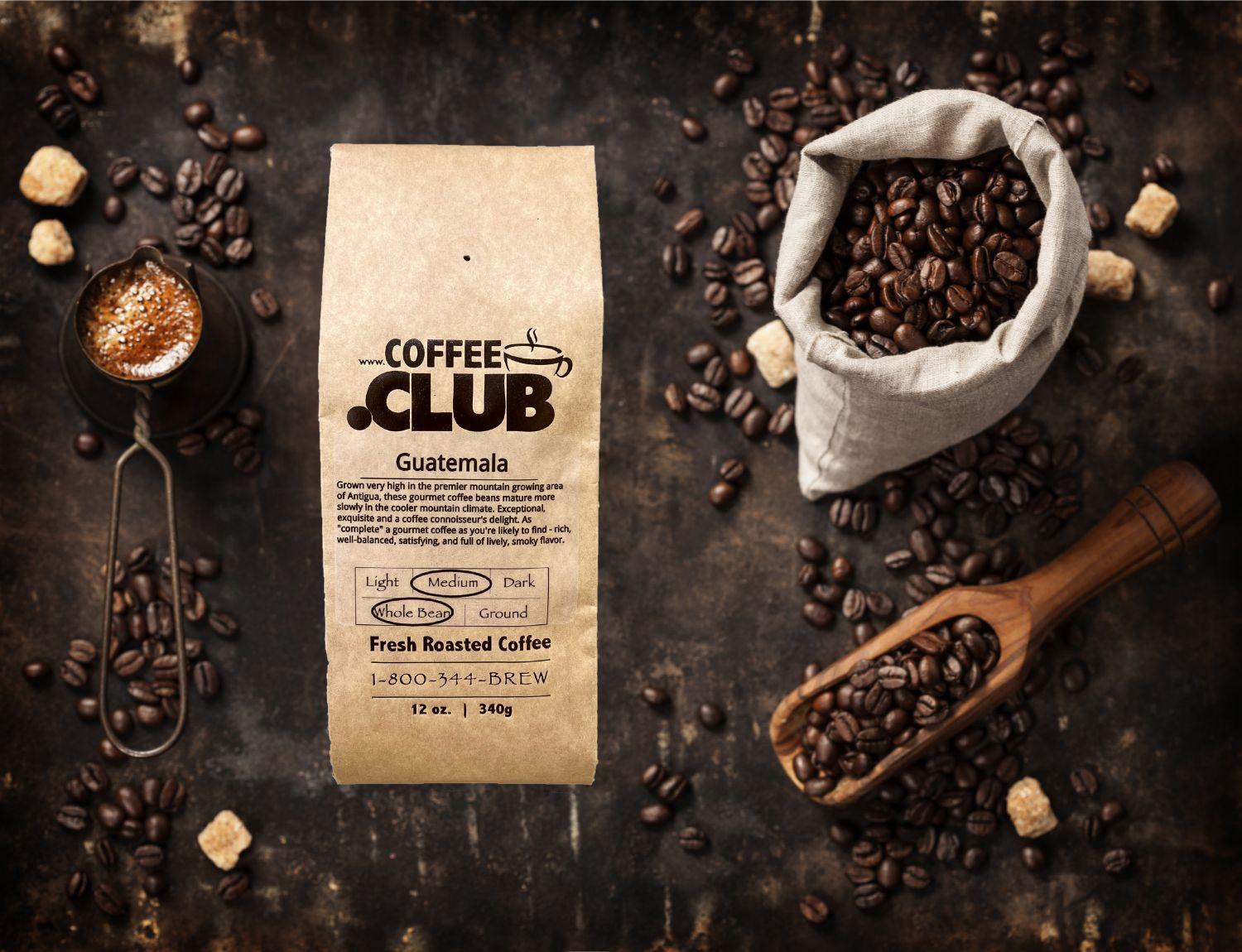
Scott Chronister, purchasing manager at Coffee.Club, says the venture aims to educate consumers about the marketing myths that surround the coffee industry. This mission is just another way to empower coffee growers and coffee drinkers alike. The cofounders say coffee.club offers these humble farms a more direct pipeline to consumers and vice versa. For example, while many consumers feel the pressure to buy “organic,” the truth is obtaining that label requires a strenuous and costly process that only big companies can afford. This leaves many small-scale growers in the dust. “Those terms are thrown around so much, but we let [our members] know our coffee is natural, from small farmers who need to be provided with fair wages.
While there are so many moving parts to making Coffee Club a thriving website, McClure and Chronister agree its secret ingredient to success is stellar customer service. At the center of their ecommerce operations is the fourth member of their team, Shelly Baley, who fields all customer questions and concerns with a human touch.
“We actually pick up the phone and talk to people,” says Chronister.
McClure says the company’s 66% customer retention rate is proof that adding a human touch to any online tech venture can go a long way. “It’s surprising how our coffee.club has stayed at the top of Google results and that’s not just because of SEO but because we’ve been true to our business, we’re not an affiliate site, we are a club.”