
The subscription business model was originally popularized for giving audiences access to television, movies, and other forms of streaming content, like news. But these days we can rely on creative subscription startups to stock our closets, maintain a steady supply of pet toys, or keep our fridges stocked with sustainable groceries or ready-to-cook meals.
Subscriptions can offer a major convenience to customers, but some simply sign up to continuously support and indulge in the companies we love.
The subscription e-commerce market reported nearly $73 billion in revenue in 2021 and is expected to reach $904 billion by 2026. That is massive growth that promises big changes to the way consumers shop and engage with brands–and the expectations they have for what businesses have to offer.
For businesses, the subscription model is a way to generate recurring revenue and customer retention. These numbers may seem to resonate with retail and streaming giants, but small businesses can enter the subscription game as well.
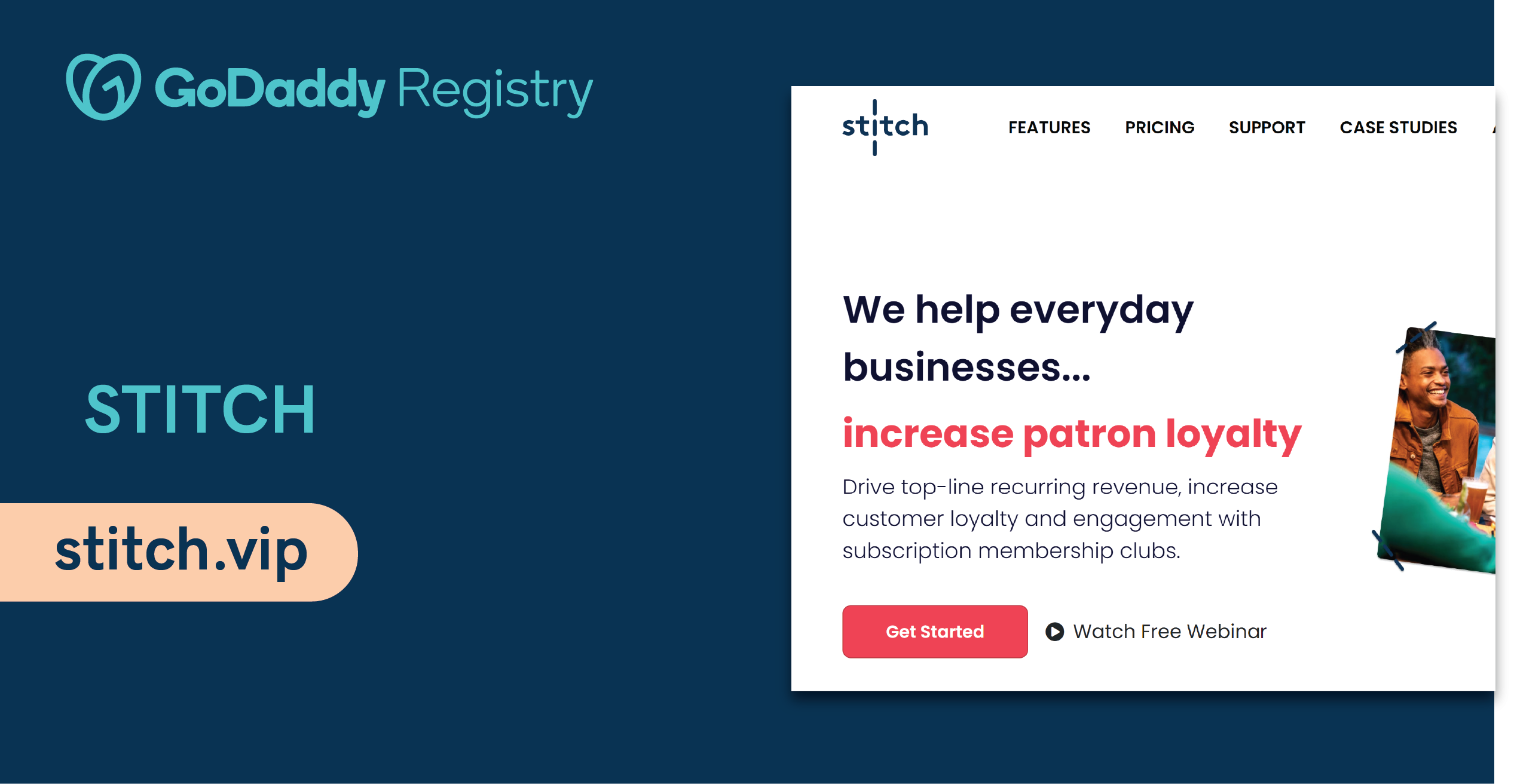
“Subscription members are the way for small businesses, especially brick-and-mortar businesses, to jump on the recurring revenue train,” Stitch Co-Founder and CMO Jon Uland said in a Conference Spotlight interview ahead of his presentation at the 2021 Craft Beer Professionals Fall Virtual Conference. “That’s the money part of it and that’s really great. But subscription memberships, especially paid memberships, are the number one way to generate patron loyalty and retention.”
“You want people to come back and be loyal to your brand? A subscription membership is the way to go,” Uland continued. Stitch builds on this thesis by helping smaller operations tackle the business model that may have previously seemed elusive or unlikely.
Uland and cofounder McKay Ward, who also serves as the company’s CEO, met in college. For a decade, they looked for a way to work together. While Uland worked in marketing for companies like Qualtrics, Peloton, Teachable and Warner Music Group, Ward worked as a developer and entrepreneur–all the while, wanting to find ways to help brick-and-mortar businesses join the tech industry.
He saw an opportunity with breweries.
Like so many other businesses, the pandemic threatened to shut down the Eureka Heights Brew Co. in Houston, Texas. Stitch assisted them in establishing a membership club, the High Five Society, which helped keep the business open through the pandemic by bringing in an additional $50,000 in annual recurring revenue without requiring additional hires, or even requiring customers to have a physical presence while lockdowns were still widely in effect.
Any business owner can find inspiration from their partnership: Eureka Heights’ membership program, which currently costs $250 annually, offers monthly beer allotments, discounts, merchandise and more to members, totaling a value over $400. This club and its benefits kept the brewery’s existing customer base connected and able to purchase the products they love. It also helped cultivate a sense of community, support and exclusivity that was appealing and exciting for members and even new patrons–so much so that in the first year, the membership size grew 900%.
Not only did the membership create a sustained revenue stream for the brewery, but according to the company’s case study, because only 60% of members actually utilize all of their benefits each month, projected costs actually convert to profit, as well.
To make this possible on the back end, Stitch offered assistance building the membership model, building a custom, branded membership site, providing guidance for staff training and incentives, and providing a payment system that is built for recurring and renewable payments.
While Stitch has grown a following within the brewing industry, the platform works across any number of industries and businesses: dance studios, restaurants, gyms, and retail stores. Virtually any business that has considered customer loyalty benefits can look at a model based around membership benefits.
In his presentation at the Craft Beer Professionals, Uland notes that these benefits work best when they offer exclusivity, novelty, or priority treatment. And some benefits, like early access or event invitations, require very little resources while cultivating a higher sense of value for the membership.
This makes for a flexible sandbox of perks and promotions for businesses to consider offering patrons, regardless of their size or number of locations. And as subscriptions carve out more and more of the e-commerce space – potentially growing more than 12 times in size in just five years – all businesses, big and small, have an opportunity to adapt and cultivate their own growth as customers continue to change the way they spend their money, and where.
Stitch–itself a subscription model–offers an accessible way for businesses to take their first steps into expanding and offering new ways for customers to shop.