

Key Takeaways:
- Video is a powerful personal branding tool: As consumer demand for online video continues to grow, creators can use vlogging and social video to showcase their personality, expertise, and unique voice.
- A .TV domain helps creators stand out: A .TV web address instantly communicates a focus on video content, providing a memorable destination for your brand and a central hub you control.
In a city as large and sports-minded as Los Angeles, it’s easy to assume that if people want to play something, there’s already a place for it. For the founders of Padel Up, that assumption fell apart when they went looking for a padel court and found . . . nothing.
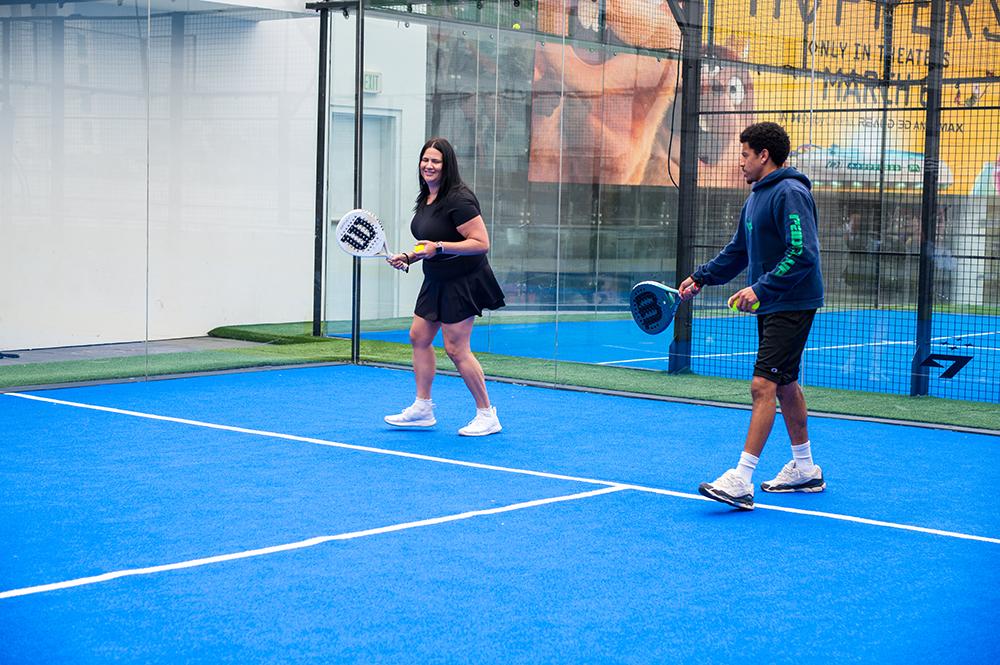
Padel is a racquet sport that blends elements of tennis and squash and is usually played in doubles on an enclosed court, where the walls are part of the game. The format keeps the game moving and creates a naturally social experience, while still giving players plenty of room to improve, one of the reasons why people tend to get drawn in quickly.
One of the Padel Up founders, Jacob Bicknell, is a former professional tennis player from Jamaica who grew up overseas and spent years around racquet sports. After picking up padel in New York, the game became one he kept returning to, until a trip to Los Angeles disrupted that rhythm. There wasn’t a single court to be found, which felt strange in a city of that scale and stayed with him and his founding team.
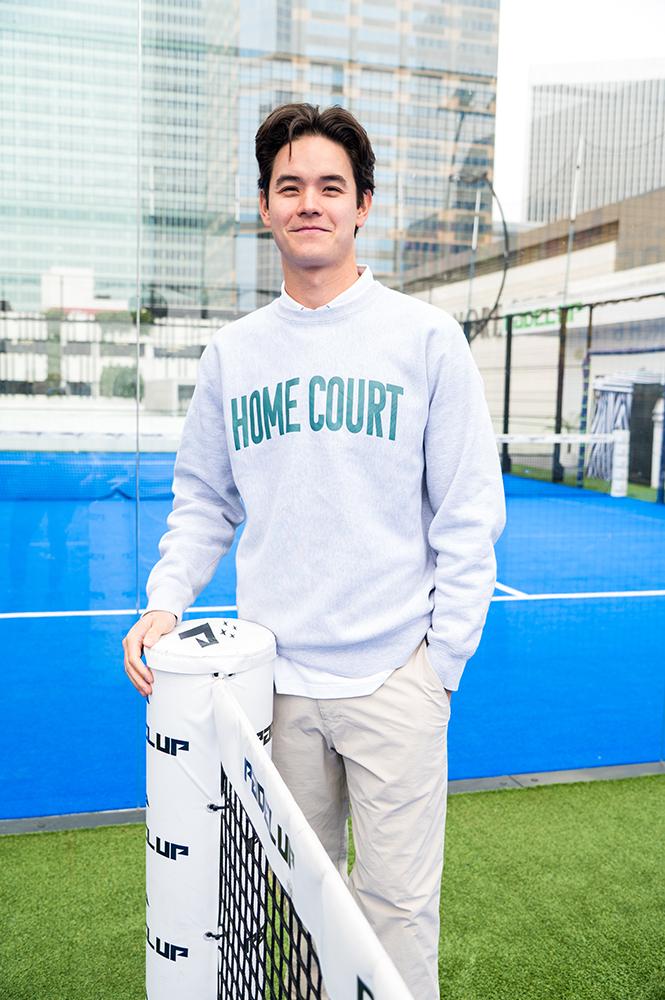
“That Monday, we had our ‘ah-ha’ moment,” said Peter Worton, co-founder of Padel Up. The next day, Worton flew to Mexico, the birthplace of the sport, to visit some of the biggest clubs and see how they operated.
“From there, the seed was sown. We knew that something special was about to unfold.”
Building the Club Meant Starting from Zero
Turning that idea into a physical space proved far more intense than the initial insight.
“Without a doubt, the biggest pain point is real estate,” Worton said. “In a city like Los Angeles, it’s challenging to get a studio apartment for the right price, let alone a 16,000 sq. ft warehouse!”
Because padel courts require specific dimensions and enough ceiling height, the number of viable spaces narrowed quickly. The team was also introducing a sport that most landlords had never encountered.
“Landlords have never heard of padel,” Worton said. “You really have to sell that proof of concept and assure them that there’s solid business fundamentals.”
That meant each conversation involved explaining the sport, outlining the business case, and helping others understand what the club could become. Even when a site looked promising, the process didn’t get easier. Permitting and construction added time and complexity, and not every location made it through.
The founding team had to walk away from more than a few sites, said Worton. “You can’t count them on one hand,” giving a sense of how much persistence it took to get Padel Up open. They were creating a place for a sport that didn’t yet have a foothold in the city, which meant both the space and the audience had to develop together.
Community, Brand, and Why People Keep Coming Back
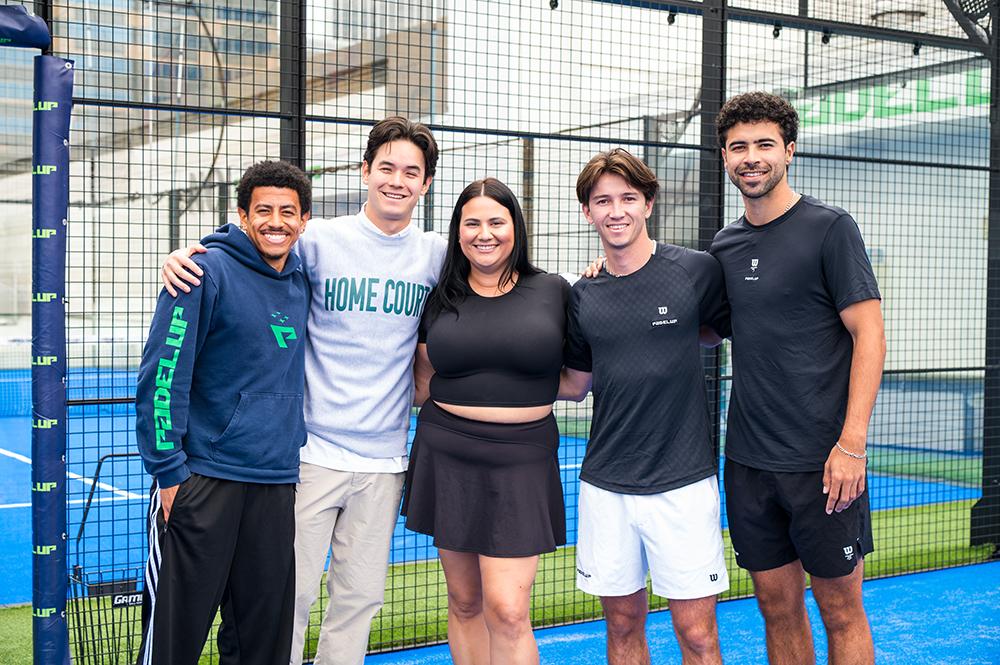
But all that effort paid off, and it’s most visible on tournament days, when the atmosphere inside the two LA clubs reflects everything the team set out to build.
“There’s this special energy in the air,” Worton said, describing “a buzz radiating out of the building.” As the club has grown, it’s come to train some of the best players in Los Angeles, which makes it “always the best feeling when our players bring home the trophy from tournaments, as a club.”
At the same time, the atmosphere extends beyond competition.

“We also entertain a true melting pot, from all walks of life, and the whole community comes together to play side by side. That is special,” Worton said. That mix of competition and connection gives the club its character and helps explain why people keep returning, because the experience isn’t limited to the game itself.
Padel Up’s identity was shaped deliberately from the beginning. “Invest in your brand, without question,” Worton said. “We’ve invested into a brand that we’re proud of, something original. It’s not just a logo or a look. It’s an identity.”
The team spent more than a year refining how the brand would show up. That consistency helped them build partnerships with big-name brands like Lululemon while also attracting a lively and diverse community. The same thinking carries through to their domain choice.
“First impressions are important,” Worton said. “The club domain is more playful than your typical domains, and we want to create a welcoming environment from that first impression. It aligns naturally with our sports and community focus.”
The website, padelup.club, fits because it reflects what the business actually is, a shared space built around participation and connection, where people come to play, compete, and spend time together, and where many leave already thinking about their next game.