
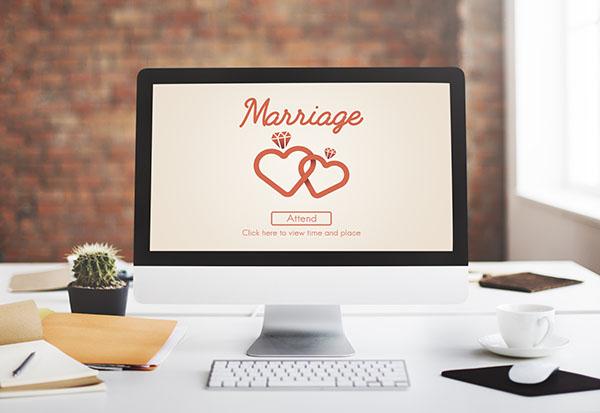
The wedding website has become just as essential as the wedding invitation itself. Design a website for your wedding guests to peruse before the big day to make wedding planning a little less stressful.
While building a wedding website might seem like another bullet to add to the endless to-do list, it can actually save you a lot of time and energy in the long run. When done right, a wedding website can streamline information for your guests, serve as a wedding planning tool for yourself and even drum up some fun and excitement for your special day for everyone involved.
You also don’t have to be a tech-savvy bride to design an impressive one, as you can rely on beautiful templates that you can personalize according to your style and theme. Whether you’re a laid-back bride or a type-A planner, a wedding website can be an essential tool to help anyone stay organized and in control of the wedding planning process.
Here are 6 things to remember when creating and sharing your wedding website.
1. Build your wedding website as an organizational tool.
Wedding planning can be a daunting experience. From tackling the biggest priorities (like picking the wedding date, booking the venue and buying the dress) to taking on the most tedious tasks (like picking the party favors), you’re going to want to become a master of efficiency. Luckily, a wedding website can help you become one. A website dedicated to the details of your ceremony and celebration can save you time and money in several ways. For starters, it gives you the ability to send the save-the-dates, and perhaps the official invitations, digitally via email, and help you track RSVPs.
2. Leverage your wedding website as a communication tool.
The true beauty of a wedding website is there is no word limit. Formal wedding invitations with calligraphy and lovely laminated paper are definitely wonderful additions, but those little envelopes can only hold so much information.
Instead of cramming everything on a single piece of paper, consider creating a wedding website to communicate the rest. Think of the details that might require extra explanations, such as directions to the venue. You can provide suggestions for nearby accommodations for guests who are from out of town. For destination weddings, you’ll likely have to share flight and hotel tips. Local car services, wedding travel discounts and rehearsal dinner locations are other useful bits of information.
In addition to logistical information, a wedding website is also a great platform for sharing information about wedding gift registries, or you can outline whether you prefer monetary gifts, donations to a specific charity, or none at all. Imagine having to type all of this information onto one sheet?
3. Use your wedding website to eliminate stressful moments
Most couples will find planning a traditional wedding can be incredibly stressful, and emotionally-charged. In addition to logistical information, a wedding website can share universal rules and eliminate some awkward exchanges. For example, if a cousin wants to bring all three of their young children, you can, in advance, kindly mention on your website that this is a child-free wedding. If you have a coworker who wants to bring a guest they met on a dating app last week, but your guest list is at capacity, a wedding website can let everyone in advance know that space is limited.
4. Rely on your wedding website to keep guests updated.
More stressful than managing a ballooning guest list is worrying about things you cannot control, like the weather. Your wedding website can keep your guest list up to date and informed of any last-minute changes. For example, if you plan on an outdoor wedding, you can write out a contingency plan ahead of time that includes a backup location or rain date.
5. Design a wedding website that works for you.
Just as a welcoming speech can set the tone for the wedding celebration, so, too, can a wedding website. So, start by giving your guests an excellent user experience (UX) when they visit your site.
Before sharing your website with your guests, make sure to click-through and test every page. If your wedding has a special theme or dress code, you can also incorporate that into your wedding website design. More important, check for any typos that can lead to confusion on the big day, and make sure you pick an easy to spell web address. It all starts with registering for a custom wedding domain name that is easy for your family and friends to spell and remember (usually some variation of the couple’s names, like staceyandfrank.wedding or alexandjohn.wedding). From there you can start building a central hub for your nuptials.
Ensure it works on all Internet browsers and devices, including on mobile phones.
6. Drum up some excitement!
Speaking of setting the tone, you can use your wedding website as a preview for the festivities ahead–and get them excited about it! You can add language about the beauty of the venue or what makes it so special. If it’s a destination wedding, you can offer some travel itinerary suggestions or special wedding-related events.
It’s a great tool for getting people acquainted with one another. Consider adding mini bios for not just the couple and how they met, but the entire bridal party. This way, guests will already feel like they know who’s who before the celebration gets started. Some wedding websites can also display a countdown to the big day, which will be here before you know it.