
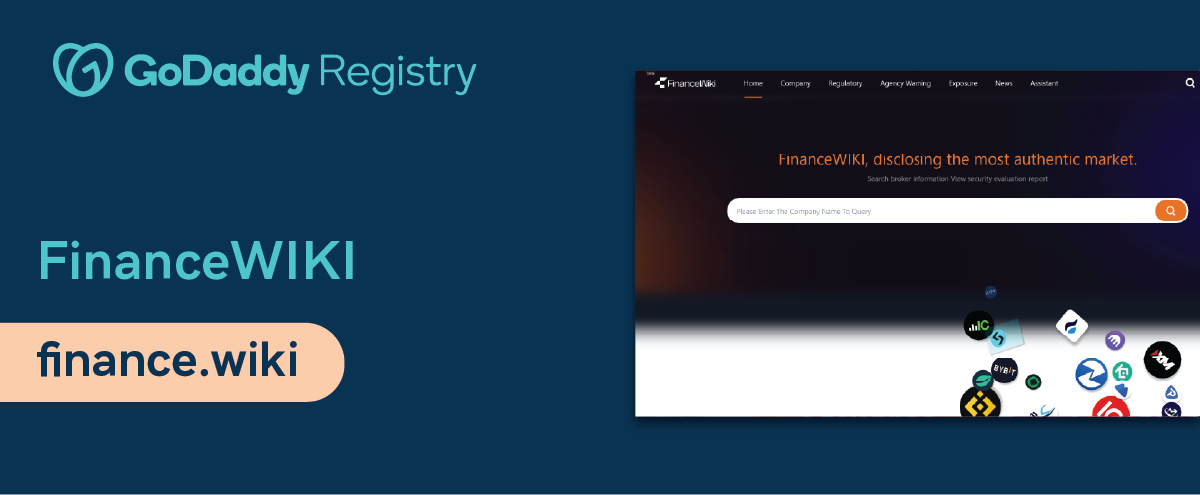
Before Qi Wang launched Finance.wiki in Singapore, he kept seeing how frustrating it could be for people to look up information about financial companies. Users would search for something simple and end up wading through jargon or data scattered across multiple sources. Even straightforward comparisons often felt harder than they needed to be. The information was out there, but finding a version that made sense to everyday users was another story.
Qi wanted to change that. He set out to build a platform that brings financial company information into one place and makes it easier to understand. He described the mission as creating “an intelligent, integrated, and highly transparent comprehensive financial services inquiry platform that empowers users with precise insights and efficient decision-making.”
Turning that vision into a working product took time. As he explained, the team struggled with “achieving high levels of clarity and practicality for everyday users, while ensuring the professionalism and accuracy of the information.”
That balance shaped the way Finance.wiki grew. The platform had to feel accessible without losing rigor, and it had to support people who didn’t want to fight through complicated terminology just to make an informed choice.
Why the .wiki domain fit the platform
Choosing the right domain was part of building that experience. Qi wanted a name that reflected the purpose of the platform before users even arrived. The meaning behind “wiki” stood out immediately. He noted that the word comes from Hawaiian, meaning “quick” or “shared knowledge,” and that it has become widely associated with collaborative information through sites like Wikipedia. When people see “wiki,” they tend to expect a space built around learning and openness.
Finance.wiki makes use of that expectation in a financial context. Qi said the domain “clearly conveys our platform’s core philosophy: an open, collaborative, and shared repository of financial knowledge.” For him, the extension represents a promise to build a platform that stays up to date, welcomes all users, and earns their trust. The name reinforces that approach without needing explanation, because it already carries meaning people recognize.
Seeing the platform work as intended
Qi’s proudest moment came when he saw users interacting with the platform and finding the information they needed without hesitation. He explained that Finance.wiki helps people “accurately and easily look up information about financial companies,” giving them access to reliable data without the usual obstacles. Watching users move through the platform with ease showed him that the effort to keep things transparent and practical was making a difference.
The domain plays a part in that experience. A name like finance.wiki is clear and direct, and it reflects the idea that the platform is open to everyone, regardless of their background in finance. It helps set expectations before someone even lands on the homepage.
Advice for people starting something new
Qi offered a piece of advice drawn from his own experience: “You don’t need to have it all figured out from the start, you just need to start doing.”
Finance.wiki grew through steady progress and a willingness to refine the platform as it developed. Choosing a domain that expressed the company’s purpose was one of the early decisions that helped shape its direction.
The platform continues to evolve, but its mission remains consistent. Finance.wiki exists to make financial information easier to access and easier to understand. The .wiki domain supports that work by tying the platform to a familiar model of shared knowledge and ongoing improvement.